

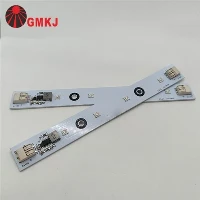
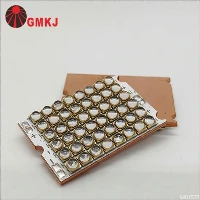


Guangmai Technology Co., Ltd. is one of the leading manufacturers and suppliers of 730nm 740nm power led horticulture lighting in China. With abundant experience, we warmly welcome you to wholesale bulk CE approved products made in China here and get pricelist from our factory. Quality products and reasonable price are available.
730nm 740nm power LED horticulture lighting
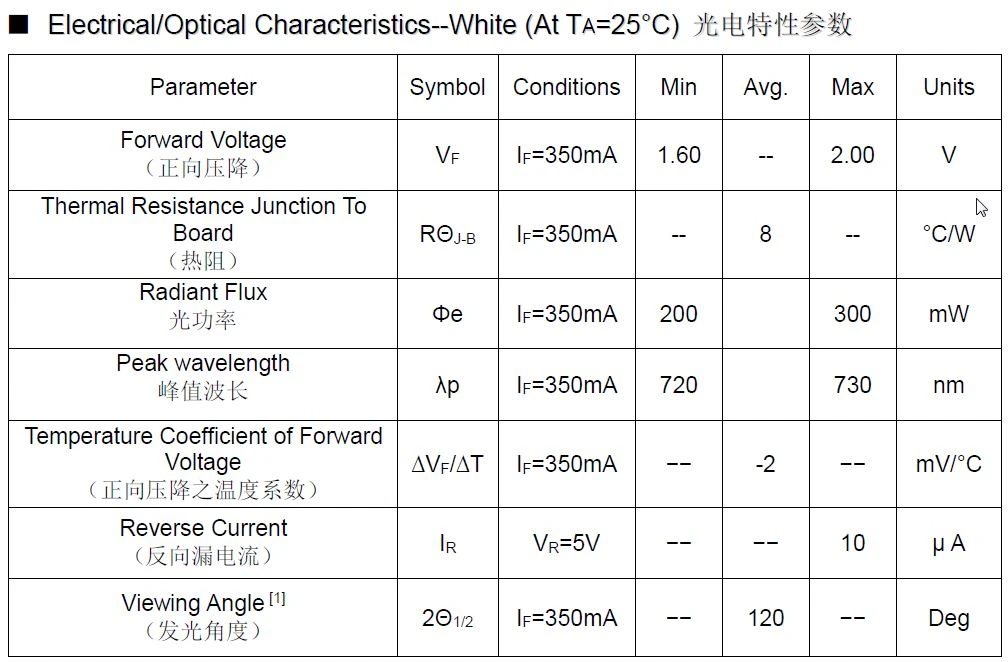
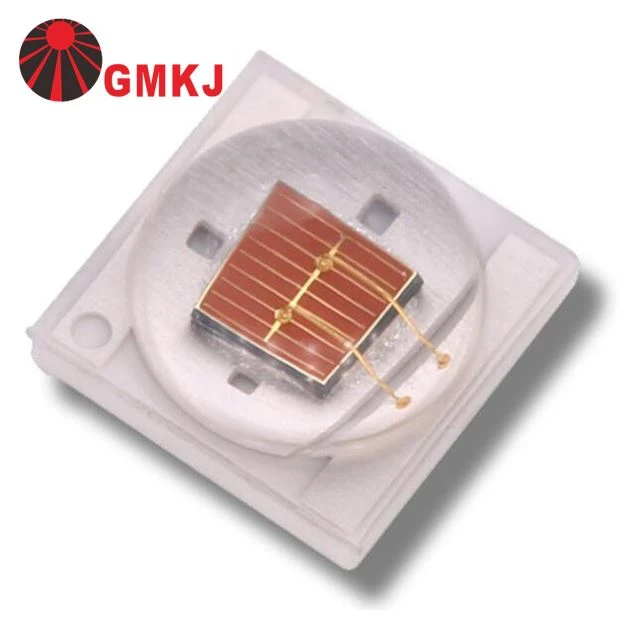
Red Light Spectrum (600–700 nm)
Red light is known to be the most effective light spectrum to encourage photosynthesis as it’s highly absorbed by chlorophyll pigments. In other words, it sits in the peaks in chlorophyll absorption. Red light wavelengths (particularly around 660nm) encourage stem, leaf, and general vegetative growth – but most commonly, tall, stretching of leaves and flowers.
A balanced pairing with blue light is necessary to counteract any overstretching, like disfigured stem elongation. It’s important to consider that while red is the most responsive light spectrum for plants, its efficacy really steps in when in combination with other PAR wavelengths.
Far-red Light Spectrum (700–850 nm)
There are a few ways far-red can affect plant growth – one is to initiate a shade-avoidance response. At around 660nm (deep red) a plant senses bright sunlight exposure. From 730nm and beyond – i.e. a higher ratio of far-red to red light, a plant will detect light “shade” from another plant or leaves higher up the canopy, so stretching of stems and leaves occurs.
Far-red can be very useful to promote flowering, and in certain plants, increase fruit yield (6). In short-day plants like Cannabis, which rely on longer periods of darkness, 730nm can be used at the end of a light cycle to promote flowering. Many growers are experimenting with interrupting the dark cycle with bursts of red light to boost growth and flowering.
Hot Tags: 730nm 740nm power led horticulture lighting, China, manufacturers, suppliers, factory, price, cheap, quotation, datasheet, specs, specification


