

Product Features:
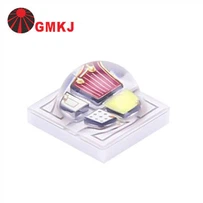
PCT/ EMC 3030 Package type available.
Use Original EPISTAR/EPILEDS Chips only
High PPE efficiency up to 2.8umol/j
Precise wavelength to minimum 2nm.
Long life Span over 50000Hrs .
Long Quality Guarantee over 4 years maximum
LED Packaging experience over 12 years.
Fast delivery time 3-7 workdays depends on order.
Provide 7x 24 Hrs Technical service.
PRODUCT SPECIFICATION:
| Parameter | Symbol | Conditions | Min | Avg. | Max | Units |
| Forward Voltage | VF | IF=350mA | 2.8 | -- | 3.2 | V |
| Thermal Resistance Junction To Board | RΘJ-B | IF=350mA | -- | 8 | -- | °C/W |
| Luminous Flux | Φv | IF=350mA | 20 | 28 | 40 | lm |
| Peak Wavelength | IF=60mA | IF=350mA | 450 | 460 | K | |
| PPE Efficiency | PPE | IF=350mA | 2.5 | ** | 3.0 | Umol/j |
| Temperature Coefficient of Forward Voltage | ∆VF/∆T | IF=350mA | −− | -2 | −− | mV/°C |
| Reverse Current | IR | VR=5V | −− | −− | 10 | μ A |
| Viewing Angle [1] | 2Θ1/2 | IF=350mA | −− | 120 | −− | Deg |
What are Horticulture LEDs.
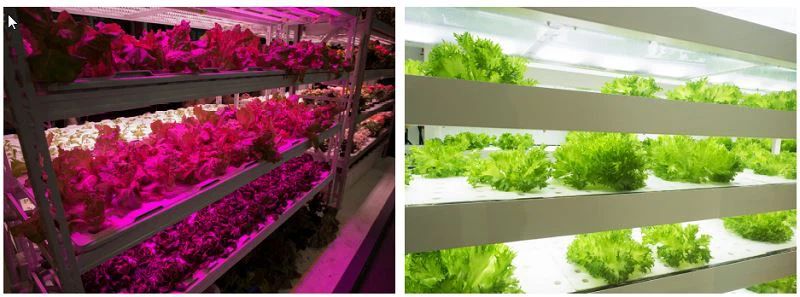
Professional Horticulture LEDs. Deep blue (450 nm) and hyper red (660 nm) to provide the light for the photosynthesis. Far red (730 nm) to control the plant from germination to vegetative growth and flowering. White to provide a human friendly working environment. High energy efficacy in μmol/J.
What type of LED use for Hottilculture Lighting?
Generally, 450nm blue and 660nm red light are widely used in horticulture lighting. To specifically control, such as flowering, of the plants' growth, 730nm is also commonly used. The phytochromes PR and PFR will mainly influence the performance of germination, leave growth and flowering.
What is the Ideal Grow Light Spectrum for Plants?
The ideal grow light spectrum for plants depends on several factors. These include how specific plants use PAR-spectrum light for photosynthesis but also the wavelengths outside of the 400-700nm range. This light can help accelerate flowering, increase nutrition, speed up rate of growth, etc. If the light source is sole (indoors) or supplementary (greenhouses) also affects which grow light spectrums should be used.
Generally, photosynthetic efficiency occurs at the red and blue peaks which means plants absorb these spectrums most when growing. You might think the ideal grow light spectrum is equal to sunlight – after all, it’s had millions of years of experience – however, it’s more detailed than this.
Sunlight produces a lot of greens, yellows, and oranges – they’re the most readily available spectrums of light. In fact, studies (3) tell us how green light, while not absorbed by chlorophyll as well as red and blue (hence why most plants appear green), it’s absolutely critical for photosynthesis.
Light spectrums outside of blue and red wavelengths are used least by plants to grow as reds and blues are where most photosynthetic activity occurs – a big reason why full-spectrum grow lights are incredibly efficient because a grower can get very specific.
What is Broad Spectrum Lighting?
Broad spectrum lighting – often referred to as full spectrum lighting, means the complete spectrum of light given by sunlight. This means wavelengths of broad spectrum lighting include the 380nm-740nm range (which we see as color) plus invisible wavelengths too, like infrared and ultraviolet.
One advantage of LED grow lights is they can be set up to produce certain wavelengths for specified periods during the day or night. This makes it ideal for plants because growers can isolate specific spectrum colors depending on crops and growing conditions. Full spectrum lighting can also speed up or slow growth rate, enhance root development, improve nutrition and color etc.
Blue Light Spectrum (400–500 nm)
Blue light spectrum is widely responsible for increasing plant quality – especially in leafy crops. It promotes the stomatal opening – which allows more CO2 to enter the leaves.
Blue light spectrum is widely responsible for increasing plant quality – especially in leafy crops. It promotes the stomatal opening – which allows more CO2 to enter the leaves. Blue light drives peak chlorophyll pigment absorption which is needed for photosynthesis.
It’s essential for seedlings and young plants during vegetative stages as they establish a healthy root and stem structure – and especially important when stem stretching must be reduced.

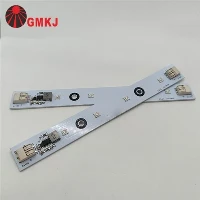
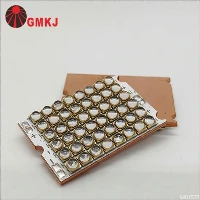
Product Pictures:
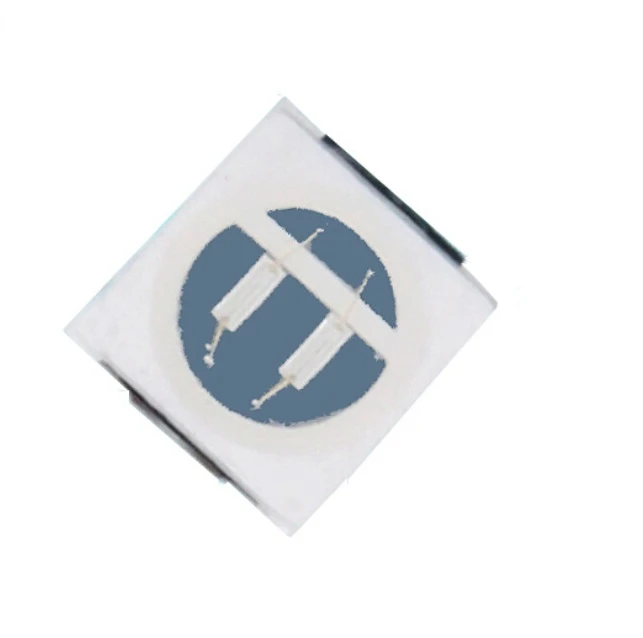
Package dimensions:

About GMKJ:
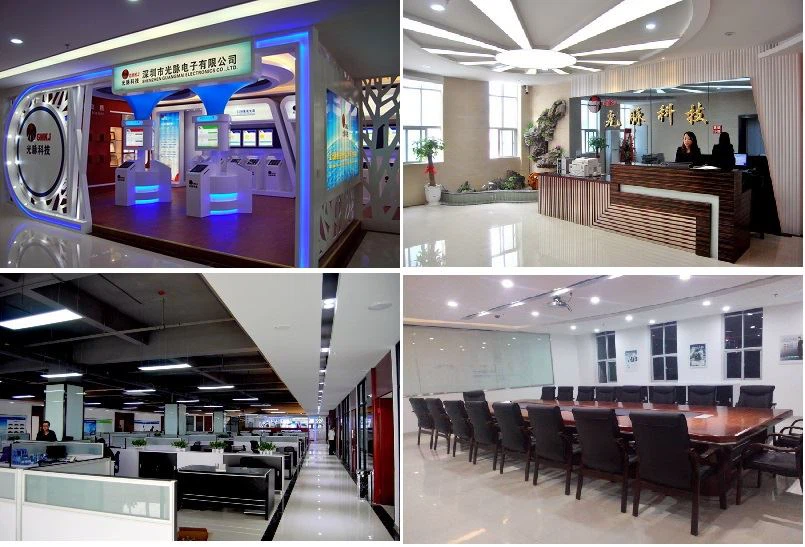
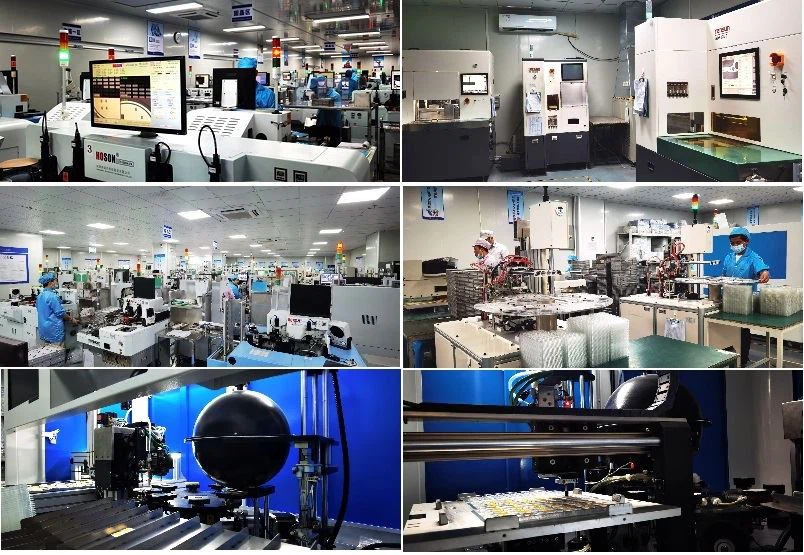
Established in 2009, Shenzhen Guangmai Electronics Co.,Ltd has developed to one of the top 10 LED manufacturers as well as comprehensive led solution provider.So far, GMKJ owns 20 complete production lines, including SMD package (from Die Bonding to Glue dispenser and phosphors), SMT and R&D line, with production capability of 300kk/month.
All these insure us to provide valued customers with superior quality and competitive offers.Most of our LEDS are certified by LM80/IEC62471/ROHS/REACH/SGS certificates.Our Product lines are specified as below:-LED for Plant growth1.SMD series:2835/5730/3030/5050/35352. High power led/customized COB/customized integration3. LED of Single wavelength: 265nm~950nm, for option4. Full spectrum series-Commercial lighting: SMD Series:2835/5730/3030/3014/4014/5050/3528/3535-Indicating LED: 0603/1206/0805/0402/1615/0606-UV LED
For more details about LED light source blue light 450nm 460nm LED 3030 SMD, please contact with us directly!
Hot Tags: led light source blue light 450nm 460nm led 3030 smd, China, manufacturers, suppliers, factory, price, cheap, quotation, datasheet, specs, specification, rgbw 3535, Far red led 730nm, smd rgbw led, RGBW LED SMD, smd rgb led arduino, 3535 rgb led