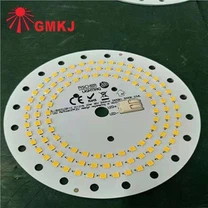
UVC (ultraviolet) LEDs are used to disinfect and purify both water and air. UVC refers to ultraviolet light with wavelengths between 200-280 nanometers. UVC LED lights provide fast and effective neutralization of microorganisms. When bacteria, viruses and protozoa (such as amoebas, flagellates, ciliates, sporozoans, and many other forms) are exposed to UVC wavelengths, they stop reproducing and infecting.

The advantages of LED UV lamps include high efficiency, lack of mercury, instantaneous peak to disinfection temperatures and selectable wavelengths.
Conventional UV lamps require anywhere from 110 to 240 volts to operate. However, since LED UV lamps require only low voltage direct current, they can operate using a small solar panel or battery.
Additionally, LEDs do not use mercury, so they do not pose the risk of contaminating water if they break. Traditional UV lamps not only contain mercury and require special disposal, they also last only roughly one year whereas LED UV lamps can last over ten years.
Traditional UV lamps take up to ten minutes to warm up to peak disinfection temperatures. LEDs take only nanoseconds to reach peak temps, allowing the UV lamp to instantly respond to undesirable water or air conditions.
Different bacteria responds to specific wavelengths. LED UV lamps have the ability to select wavelengths, creating a more efficient response to specific bacteria.